Tree Trimming vs Removal: How to Decide
June 30, 2026 · Atwater Tree Services
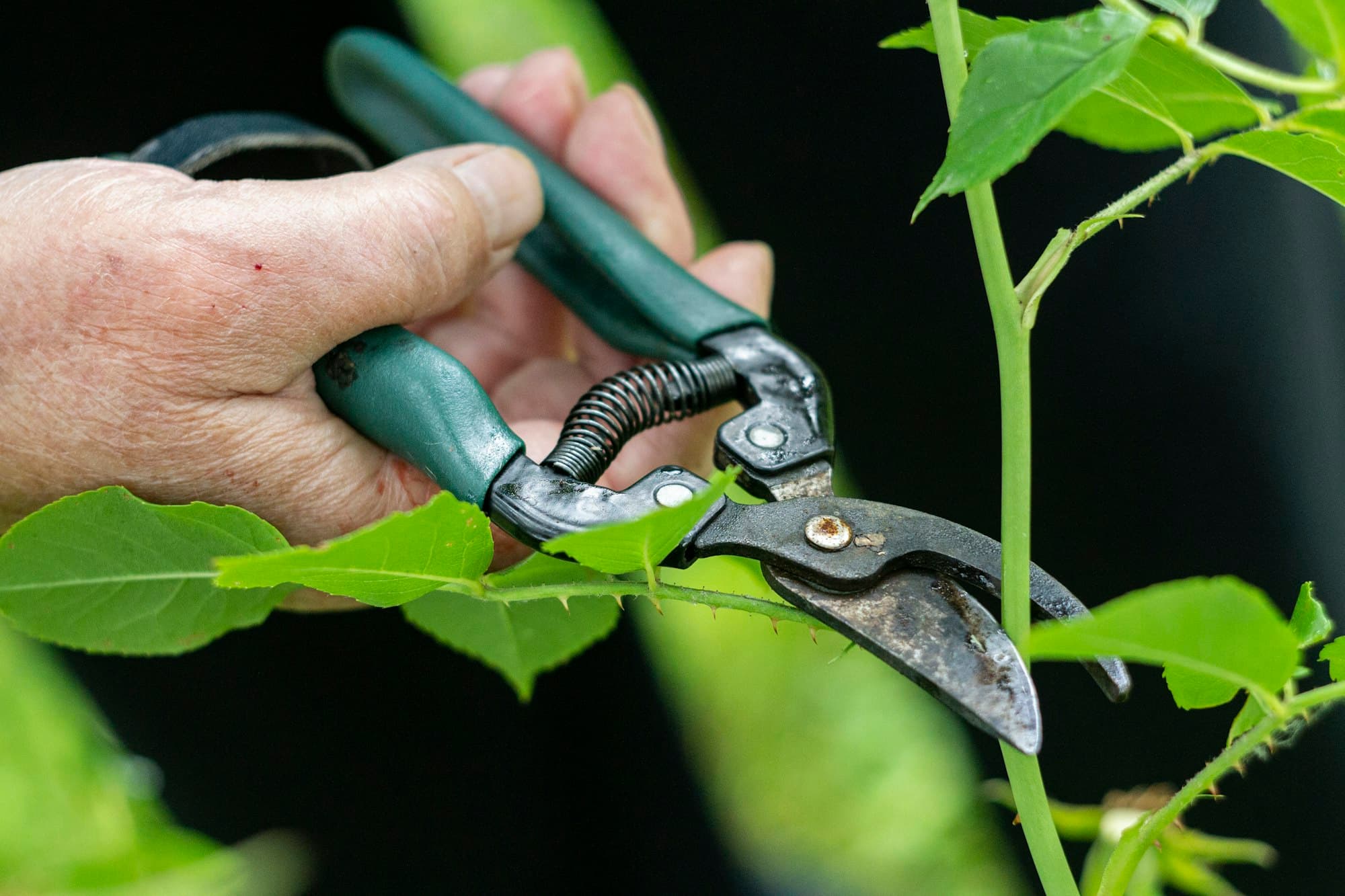
Nobody wants to take out a mature tree if they do not have to. Shade is worth real money in a Valley summer, an established tree adds value to a lot, and a fifty-year-old valley oak is simply not replaceable on any timeline that matters to you. But keeping a tree that has genuinely failed is worse — it just means paying for the removal later, possibly with a roof repair attached. Here is how we actually think through the trim-or-remove question when we walk a property in Atwater or anywhere else in Merced County.
Start With the Simple Question: Is It Alive?
A surprising number of "dead" trees are just stressed. Central Valley summers are brutal — weeks over 100 degrees, and a lot of yard trees surviving on lawn water that stopped when the lawn did. Heat-stressed ash and mulberry will drop leaves early, thin out, and look terrible by September while still being fundamentally alive.
Quick checks anyone can do:
- Scratch a small twig with a thumbnail. Green and moist underneath means live tissue.
- Look at spring leaf-out. A tree that leafed out across most of the crown this year is alive, even if it looks rough now.
- Bend small branches. Live twigs flex; dead ones snap dry.
A tree that is mostly alive but ugly, overgrown, or dropping deadwood is usually a trimming candidate. A tree that failed to leaf out across the majority of its crown is usually done, and no amount of pruning brings it back.
When Trimming Is the Right Call
Trimming solves more problems than people expect, at a fraction of removal cost — most trimming jobs around here run in the $250–$1,400 range depending on tree size and how much work the crown needs, versus $1,500–$3,800 for a large removal. Trimming is typically the answer when:
- The tree is healthy but too big for its spot — crowding the roof, blocking gutters, shading solar panels
- There is deadwood in an otherwise live crown, which is normal on mature valley oaks and old mulberries
- Limbs are over the driveway, the pool, or the neighbor's yard and everyone would like that fixed
- The crown is dense and catches wind like a sail — thinning reduces storm risk before the winter tule-fog storms arrive
- Young trees need structural pruning so they grow into strong adults instead of future problems
One thing we will say plainly: topping is not trimming. Cutting a tree flat across the top — common on mulberries around here for decades — creates weakly attached regrowth that becomes tomorrow's storm hazard. A proper crown reduction gets you a smaller tree without wrecking its structure. That is the kind of work our tree trimming service does.
When Removal Is the Right Call
Some situations do not have a pruning solution:
- Mostly or fully dead. Dead trees only get more dangerous and more expensive to remove as they dry out and become brittle.
- Significant trunk decay. Mushrooms or conks growing from the trunk or root flare, big hollows, or soft punky wood mean the structure itself is compromised.
- A new lean, or soil lifting on one side. Root plate movement is a tree announcing its intentions. Take it seriously.
- Major storm damage. A tree that lost half its crown or has a split through a main union rarely recovers into something safe.
- Cracks through major unions. Especially in trees with tight V-shaped crotches — very common in ash and mulberry.
- Wrong tree, wrong place. A big tree heaving the foundation, invading the sewer line, or planted three feet from the house sometimes just has to go, healthy or not.
If a tree lands in this column, get quotes and plan it rather than waiting for a storm to decide the timing for you. Our tree removal cost guide covers what to expect price-wise. And if the tree is already down or hanging, that is emergency work — different playbook entirely.
The Middle Ground: Monitor and Manage
Plenty of trees are neither fine nor doomed. A stressed but living oak, a mulberry with some decay in one leader, an old ash you love but do not fully trust — these often get a management plan: remove the sketchy limb, reduce weight over the house, water deeply through summer, and look at it again next year. An honest assessment costs you nothing and often saves a tree.
Get Eyes on It
Photos help, but this call really needs boots on the ground — decay, root problems, and union cracks hide from cameras. We do free, no-pressure assessments across Atwater, Merced, Winton, Livingston, Delhi, Hilmar, and Turlock, and we will tell you honestly when a trim will do the job instead of a removal. Call (209) 375-4303 and let's take a look together.
Questions about your property? Call (209) 375-4303 for a free estimate.